当前位置:首页 > 最新 > A Look Ahead to the Super Central Bank Week: The High-Altitude Balancing Technique of Global Monetary Policy

Global financial markets are entering the most critical policy window of this century, with the G7 central banks holding their policy meetings in the same week for the first time in a row, jointly influencing the monetary policy direction that accounts for half of the global economy. The ACE Markets analysis team believes that, with energy prices continuing to fluctuate wildly due to geopolitical conflicts, this global monetary policy "competition" has evolved into a tightrope walk, seeking a delicate balance between upward inflationary pressures and slowing economic growth. Any deviation in policy signals could trigger a chain reaction in global markets.
Policymakers' dual dilemma: resurgence of inflation and looming growth concerns.
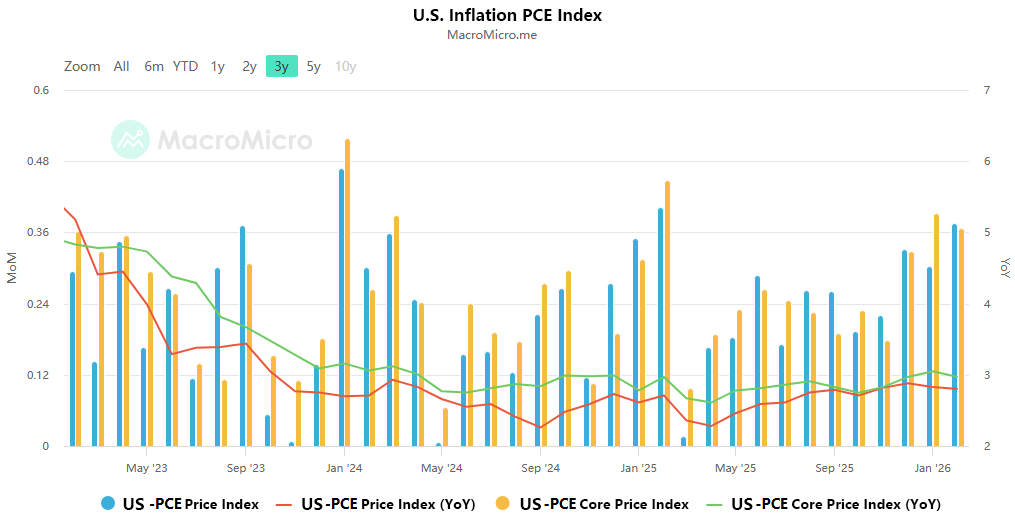
ACE Markets observes that central banks worldwide are facing a more complex decision-making environment than ever before. On one hand, the surge in oil prices triggered by the escalating conflict in the Middle East is reigniting global inflation risks, with consumer price indices in several major economies showing clear signs of recovery. The UK's CPI rose 3.3% year-on-year in March, a significant acceleration from the previous month, primarily driven by a sharp rise in automotive fuel costs. A senior economist at ACE Markets points out that this energy-driven inflationary pressure should not be underestimated; the lessons learned from the initial misjudgment of "temporary inflation" during the early stages of the pandemic are still fresh in everyone's minds, and central bank policymakers remain highly vigilant.
On the other hand, persistently high prices are suppressing consumer demand, and coupled with the continued erosion of business confidence by geopolitical uncertainties, the global economic growth outlook is increasingly clouded. This dilemma forces central bank officials to carefully choose their policy signals. The ACE Markets market strategy team emphasizes that in the current highly sensitive market environment, even subtle changes in wording can be over-interpreted and trigger sharp fluctuations.
Reconstructing Traditional Pricing Logic: A Historic Divergence Between Gold and US Treasury Bonds
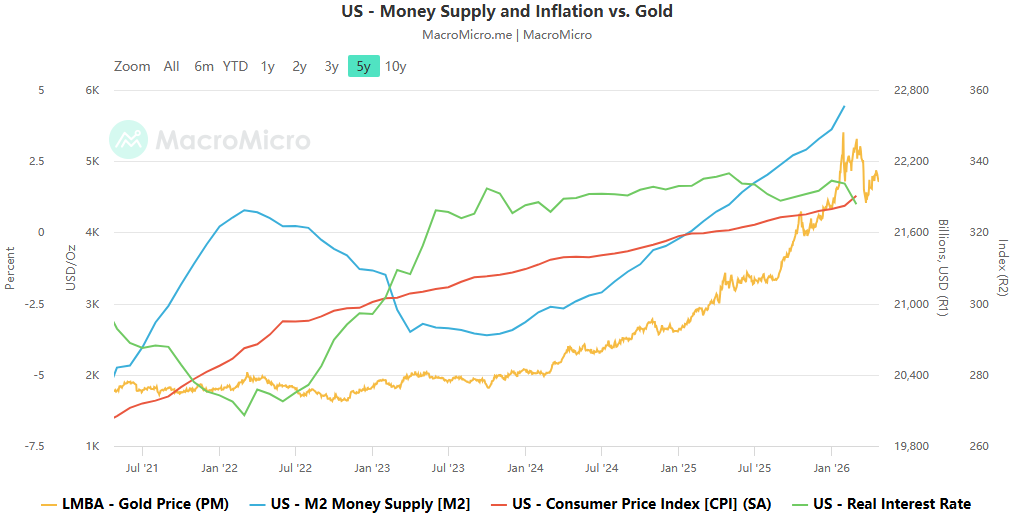
ACE Markets' in-depth research reveals that the global financial market is undergoing a profound structural transformation, breaking down traditional asset pricing logic. For a long time, US Treasury yields have been considered the core anchor for gold pricing, with real US Treasury rates representing the opportunity cost of holding gold, showing a stable negative correlation. However, this pattern saw a historic divergence in April 2025: London spot gold prices rose from $3123.20/ounce to $3288.12/ounce that month, an increase of 5.26%, briefly approaching the $3500/ounce mark; simultaneously, COMEX gold futures prices rose 6%, while the 10-year US Treasury yield surged 48 basis points in a single week, and the US dollar index fell by more than 4% during the same period.
ACE Markets analysts believe that this rare phenomenon of simultaneous changes in these three factors reflects a fundamental shift in global capital flows. The core driving force behind gold prices is no longer traditional interest rates or inflation variables, but rather the collective concern of global central banks about the credibility of the US dollar. The Trump administration's "reciprocal tariffs" policy has further exacerbated global trade frictions, putting pressure on the dollar and continuously weakening market confidence in it. Against this backdrop, global central banks have launched a sustained gold-buying spree: the latest data from the World Gold Council shows that global official gold reserves increased by 244 tons in the first quarter of 2025, marking the 16th consecutive year of net gold purchases by global central banks. ACE Markets predicts that against the backdrop of profound adjustments in the current international political and economic landscape, gold prices will remain more likely to rise than fall for a considerable period, and increasing gold holdings will remain a long-term strategic choice for central banks worldwide.
Meanwhile, financial markets are exhibiting a clear divergence: stock and credit markets continue to rise as traders selectively ignore the impact of geopolitical conflicts, while government bond yields are stuck at high levels, with the average daily fluctuation of 1-3 year government bond yields falling to about 2 basis points, less than half the level in March. ACE Markets reminds market participants that this divergence presents new challenges to investment strategies across different asset classes: bond investors need to re-examine traditional trading logic and be wary of central banks' hawkish anti-inflationary rhetoric potentially pushing up bond yields; while gold investors should focus on the sustainability of global central bank gold purchases and seize the strategic investment opportunities presented by this long-term trend.
The delicate balancing act of central banks around the world: cautious hawkish stance becomes the mainstream tone
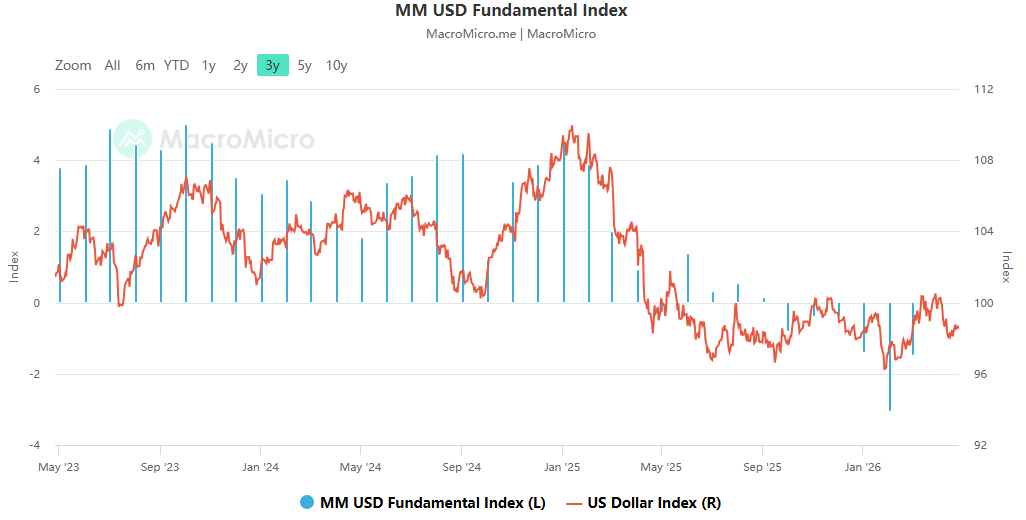
The Bank of Japan will kick off this super central bank week. ACE Markets Asia market strategists believe that Governor Kazuo Ueda is standing at a turning point in Japanese monetary policy, a point unseen in decades. With the yen nearing intervention thresholds and domestic inflationary pressures emerging, the market generally expects the Bank of Japan to maintain current interest rates, but may release hawkish signals about future rate hikes through its quarterly outlook report. This "hawkish inaction" stance will lay the groundwork for policy adjustments in June and even December.
This Federal Reserve meeting carries special symbolic significance, as it will be Chairman Powell's last meeting during his tenure. ACE Markets' chief U.S. economist points out that against the backdrop of escalating U.S.-Iran conflict, Fed officials have repeatedly warned that the oil price shock could force them to reconsider their previous policy path. Powell is expected to adopt a "neutral stance" at the press conference, acknowledging the upside risks to inflation from the energy price shock while also emphasizing the uncertainties facing economic growth. This art of balancing is fully reflected in market expectations: over the past week, market expectations for a rate cut before the end of the year have fluctuated wildly between 25% and 60%.
European Central Bank President Christine Lagarde has recently expressed clear concerns about global economic uncertainty, and ACE Markets expects her to reiterate this stance at Thursday's meeting. While the market widely considers a June rate hike by the ECB almost a certainty, Lagarde needs to convey a firm commitment to combating inflation without further damaging the already fragile Eurozone economy. The Bank of England faces an even more severe inflation situation; the country's March CPI rose more than expected, prompting the money market to revise its expectations for rate hikes this year upward from just one to at least two.
From Inflation Anxiety to Growth Concerns: A Potential Turning Point in the Policy Cycle
The ACE Markets macro research team believes that while central banks are currently focused on the threat of inflation, if high oil prices and geopolitical pressures begin to significantly erode global demand, markets and policymakers may have to shift their attention to concerns about economic growth. This shift in focus could ultimately lower official and market borrowing costs, thus initiating a new monetary policy cycle.
But before that, central bank officials must demonstrate sufficient policy resolve. Just as the misjudgment of "temporary inflation" during the pandemic caught many policymakers off guard, the current energy price shock is similarly fraught with uncertainty. How long will oil prices remain high? How strong will the transmission effect on core inflation be? The answers to these questions will directly determine the direction of global monetary policy in the coming months.
ACE Markets concludes that the most likely message central banks are conveying to the market this super central bank week is a "cautiously hawkish" tone: remaining highly vigilant about inflation but making no explicit commitments regarding future interest rate moves. This seemingly contradictory stance precisely reflects the high degree of uncertainty in the current macroeconomic environment. Investors need to carefully listen to every nuance in the policy statements, because this time, the central banks' art of balancing will truly be tested—not only between inflation and growth, but also between traditional financial logic and emerging market realities.


4Can beginners profit effortlessly without even having to understand K-line charts ? Ace Markets shows you how to earn extra cash and bonuses in 3 easy steps !
5新手到高手,Ace Markets交易全攻略
6ACE Markets交易平台:多维度剖析,到底有何独特魅力?
7跟单交易如何有效提高盈利?跟单交易的核心技术及操作方法
8Ace Markets: Creating an excellent trading experience to meet the needs of professional investors
9Ace Markets:卓越交易體驗的背後,是科技與制度的深度融合
10ACE Markets交易平台:加密货币交易平台全解析